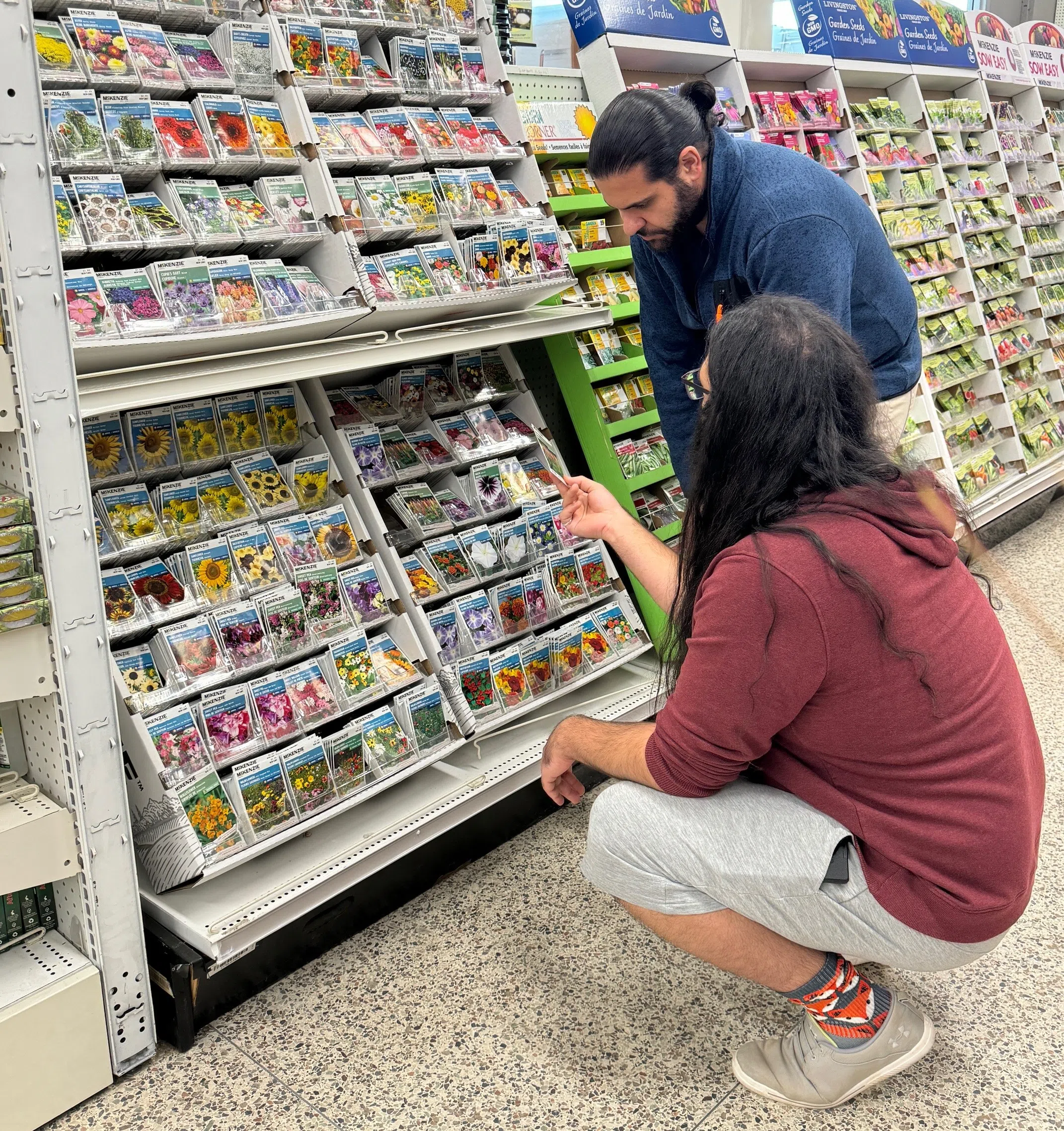
A cautionary tale - seed packets and ‘wildflower’ seed mixes often contain invasive species like bachelor’s button, periwinkle, and baby’s breath
As gardening season begins across Canada, the Invasive Species Centre is encouraging gardeners to make smart, eco-friendly choices when buying plants and seeds. Avoiding invasive species is key to protecting local ecosystems and native wildlife.
Invasive plants can quickly spread beyond your garden, pushing out native plants and damaging natural areas. Popular seed mixes labeled as “wildflowers” may include invasive species like bachelor’s button, periwinkle, and baby’s breath, which can cause long-term harm.
“Once planted, these invasive species can escape gardens and take over natural spaces,” said Colin Cassin, Executive Director of the Invasive Species Centre. “This can lead to negative environmental, economic, and social impacts.”
The Centre emphasizes that gardeners have the power to stop the spread by making informed decisions. Many people may not realize the seeds or plants they’re buying are invasive.
“That’s why education is so important,” said Monica Liedtke, Terrestrial Invasive Plants Coordinator. “We encourage people to research before buying, using trusted sources.”
To help, the Invasive Species Centre offers five tips for safe and sustainable gardening:
-
Know the invasive plants in your area – Use local resources to learn which plants to avoid.
-
Read seed packets carefully – Check for both common and scientific names.
-
Choose native plants – They support pollinators and local wildlife.
-
Inspect your garden regularly – Catch invasive plants early before they spread.
-
Dispose of invasive plants properly – Don’t compost them or toss them in nature.
Proper disposal is especially important. Invasive plants and seeds can survive composting and spread if not handled carefully. Follow local guidelines to get rid of them safely.
By choosing native plants, avoiding invasive species, and managing gardens responsibly, Canadians can help protect biodiversity and maintain healthy ecosystems for future generations.
For more information and resources, visit the Invasive Species Centre.
(Written by: Emma Butler)