As the holiday season approaches, the Invasive Species Centre is urging Canadians to inspect their holiday decorations, especially Christmas trees, wreaths, and other natural décor, for potential invasive species. These decorations can harbor invasive insects, eggs, and plants that pose a significant threat to local ecosystems and the economy.
Christmas trees are a common source of invasive pests, including the spongy moth and spotted lanternfly. The spongy moth is a major threat to trees across Canada, causing defoliation, tree death, and economic losses in the forest industry. Additionally, the caterpillar hairs from spongy moths can cause skin rashes and irritation. The spotted lanternfly, a regulated pest under the Plant Protection Act, poses a serious risk to grape and wine production, especially in Southern Ontario, Quebec, and British Columbia. If this pest were to establish itself in Canada, it could have devastating effects on these industries.
How to Identify and Manage Invasive Egg Masses
To help slow the spread of these harmful pests, the Invasive Species Centre recommends learning how to identify, remove, and report invasive egg masses found on holiday trees and décor.
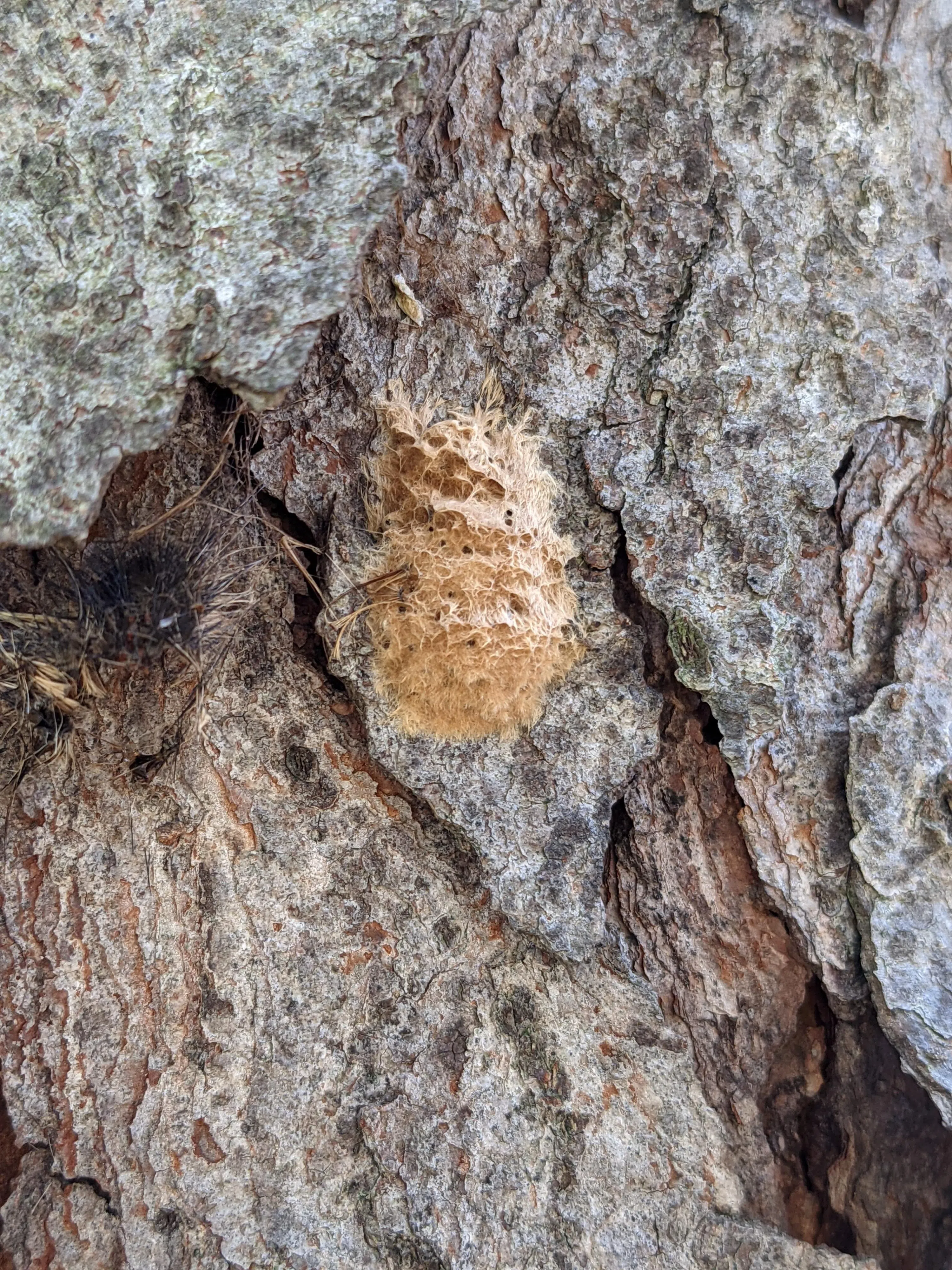
- Spongy Moth Egg Masses: These yellow, spongy egg masses resemble the texture of a tennis ball and may contain anywhere from 100 to 1,000 eggs. If you find one, follow the “Scrape – Soak – Scrap” method:
- Use a scraper to gently remove the egg mass (wear gloves and protective glasses).
- Soak the mass in a bucket of dish soap and water for 48 hours.
- Dispose of the egg masses.
- Use a scraper to gently remove the egg mass (wear gloves and protective glasses).
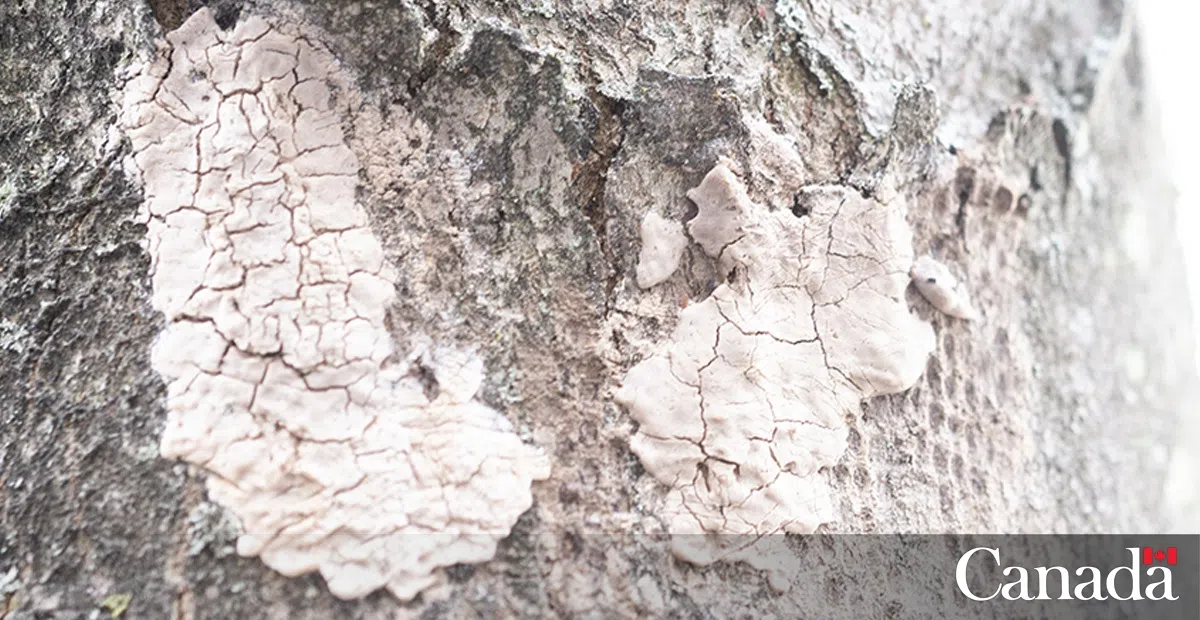
- Spotted Lanternfly Egg Masses: These egg masses look like grey-brown mud smears and can be found on hard surfaces outdoors during the fall and winter. If you spot one, use the “Snap It – Catch It – Report It” method:
- Take a clear photo of the egg mass.
- Scrape the eggs into a plastic bag with hand sanitizer or rubbing alcohol, or store the mass in a freezer.
- Report the sighting to the Canadian Food Inspection Agency with the precise location.
Recent sightings of the spotted lanternfly in Ontario, Quebec, New Brunswick, Nova Scotia, and Manitoba have raised concerns, as this invasive insect has spread significantly in the northeastern U.S. and is now close to the Canada-U.S. border. Public vigilance and reporting are essential to preventing further spread.
Wreaths and other natural decorations may also harbor invasive plant species like common buckthorn, English ivy, English holly, invasive bittersweet, and invasive barberry. These plants are often chosen for their attractive berries and evergreen leaves but can spread quickly, outcompeting native species and degrading wildlife habitats. The Invasive Species Centre advises against purchasing or making wreaths from invasive plants.
For more information on identifying invasive species and how to protect local ecosystems, visit the Invasive Species Centre’s website. By staying vigilant, Canadians can help prevent the spread of these harmful pests during the holiday season and beyond.
(Written by: Emma Butler)
Invasive Species Centre warns public to check holiday decorations for harmful pests