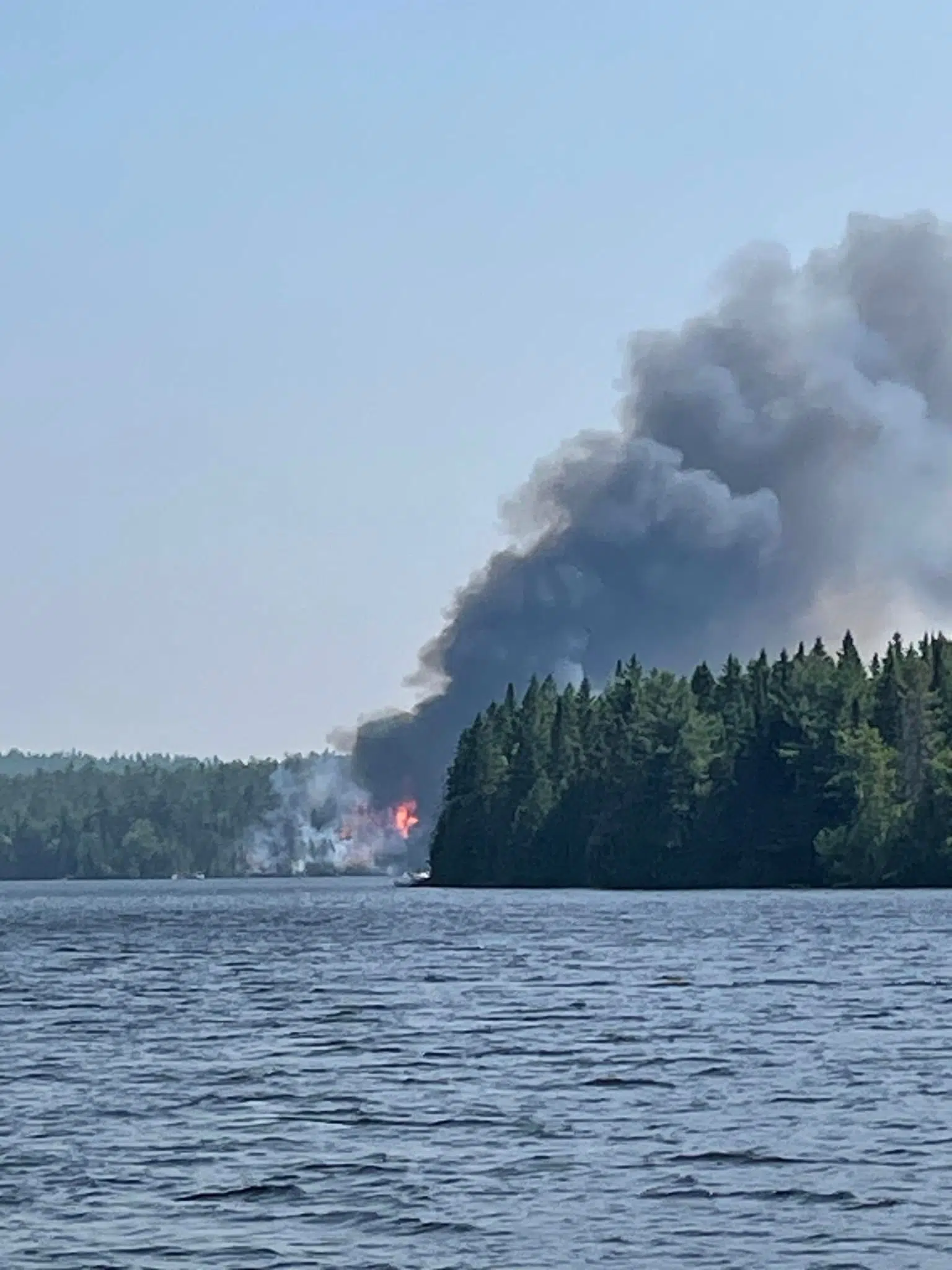
When a forest fire strikes, being well-informed and prepared can make a significant difference in ensuring your safety and minimizing potential damage. Understanding the following key points will empower you to take appropriate actions during such emergencies. Read on to learn about essential forest fire preparedness tips that can help protect lives and property.
Stay Informed about Forest Fire Updates:
During a forest fire, staying informed is crucial. Stay updated on the latest developments by closely following local news updates, official announcements, and evacuation orders issued by authorities. It is vital to rely on reliable sources such as fire departments, emergency management agencies, and local authorities on social media platforms for real-time information and instructions.
Develop an Emergency Plan in Advance:
Having an emergency plan in place is a critical component of forest fire preparedness. Discuss evacuation routes with your family members and establish a designated meeting point in case you get separated. Prepare a comprehensive “go bag” containing essential items like important documents, medications, a first aid kit, non-perishable food, water, and clothing. Ensure that your emergency contact list is up to date.
Monitor Air Quality for Health Safety:
Forest fires release smoke and hazardous pollutants into the air, causing poor air quality. Monitor air quality reports provided by local health authorities to stay informed. If the air quality is compromised, stay indoors, close windows and doors to prevent smoke infiltration, and consider using air purifiers or filters, if available. It is advisable to limit outdoor physical activity, especially for vulnerable individuals like children, the elderly, and those with respiratory conditions.
Promptly Observe and Follow Evacuation Orders:
If authorities issue an evacuation order, take it seriously and act promptly. Avoid underestimating the severity of the situation. Gather your emergency supplies, secure your home by closing windows and shutting off utilities (if time permits), and follow designated evacuation routes. Stay calm, listen to instructions from emergency personnel, and lend a helping hand to others who may need assistance.
Implement Preventive Measures for Fire Safety:
In areas prone to forest fires, proactive preventive measures can significantly reduce the risk and impact of such incidents. Clear dry leaves, debris, and flammable materials from your property. Create a defensible space around your home by trimming trees, removing dead vegetation, and maintaining proper spacing between plants. It is essential to follow local regulations regarding fire-resistant building materials and landscaping practices to enhance fire safety measures.
During a forest fire, knowledge and preparedness can be lifesaving. By staying informed, developing an emergency plan, monitoring air quality, following evacuation orders, and implementing preventive measures, you can enhance your forest fire preparedness and safeguard lives and property. Remember, prioritizing safety and adhering to the guidance provided by local authorities and emergency personnel is vital during such challenging situations. Stay prepared, stay safe!